
The 22nd edition of IndieLisboa is revealed in full, so you have time to browse the 238 films and make your choices! Please note that the box office opens on 17 April!
International Competition
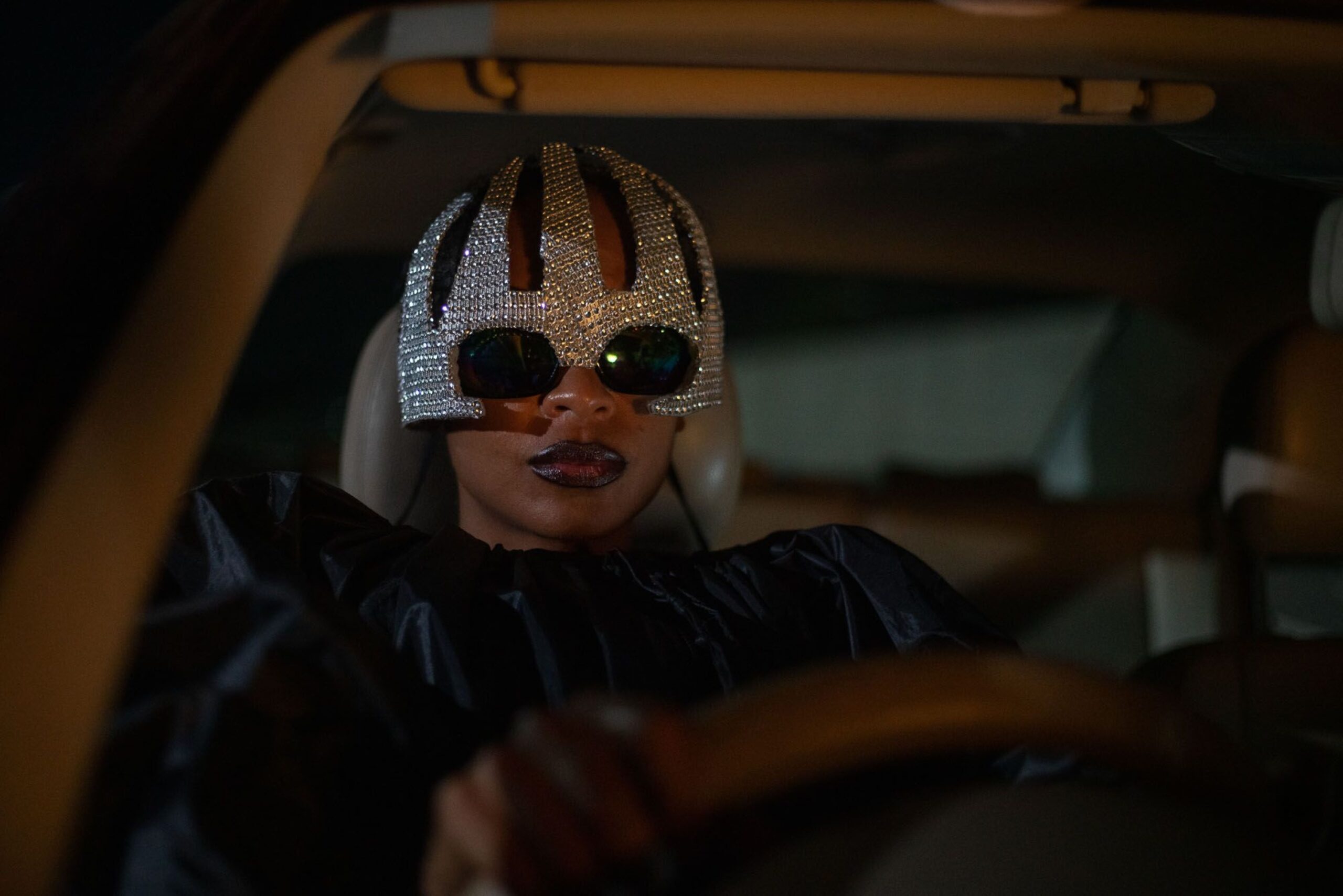
A collection of works adrift, in the good sense of the word, in transit between places, both physical and mental, and whose original destination will certainly be left by the wayside. Lo que trajo la tormenta, by Argentinian director Miguel de Zuviría, is a world premiere at IndieLisboa and tells of a separation interrupted by a natural phenomenon. Also in its world premiere is Río abajo, un tigre, by Spanish director Víctor Diago, in which film student Júlia heads to Glasgow to start over – and along the way loses her sight and goes blind. Vitrival, by Noëlle Bastin and Baptiste Bogaert, takes us to a quiet village where, at the same time, a wave of phallic graffiti and a bizarre series of suicides proliferate. Rungano Nyoni, a Zambian filmmaker who grew up in Wales, is showing On Becoming a Guinea Fowl, a film about the secrets that families try to bury at all costs and also about a trauma that doesn’t slide into moralistic condemnations. No Sleep Till is the first feature film by Alexandra Simpson, an American director born in Paris, where the threat of a hurricane gives us a mosaic of narratives in preparation for the hecatomb – curiously, here, the hustle and bustle has no place.
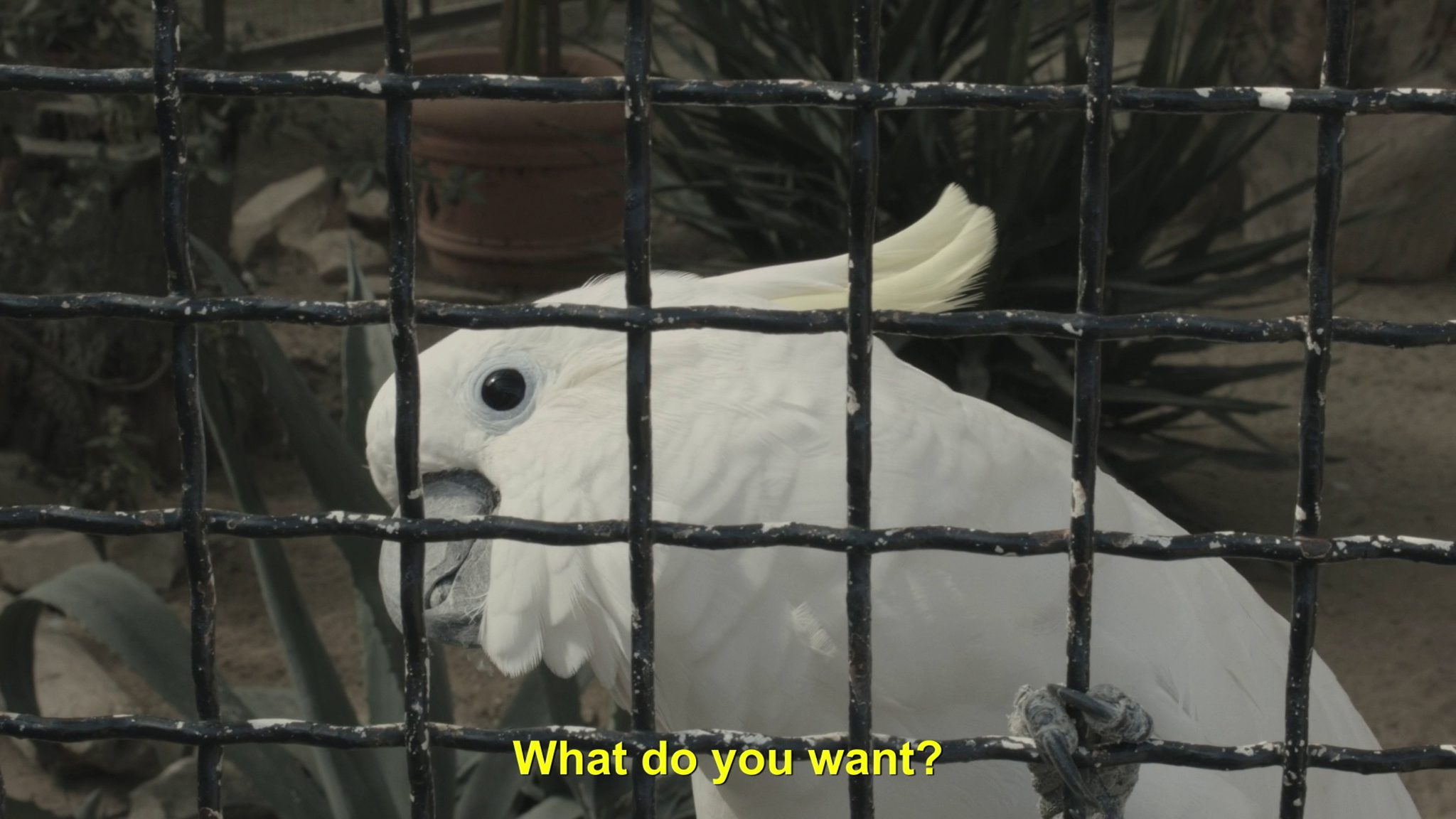
With its varied and eclectic world views, the international short film competition presents us with stories of animals from Koki, Josip Broz Tito’s parrot, to the Tilapia fish, and stories of love and lovelessness, with poorly made cut-outs and collages to show that life isn’t perfect. Nature, human and animal in 32 short films at IndieLisboa.
Competição Nacional
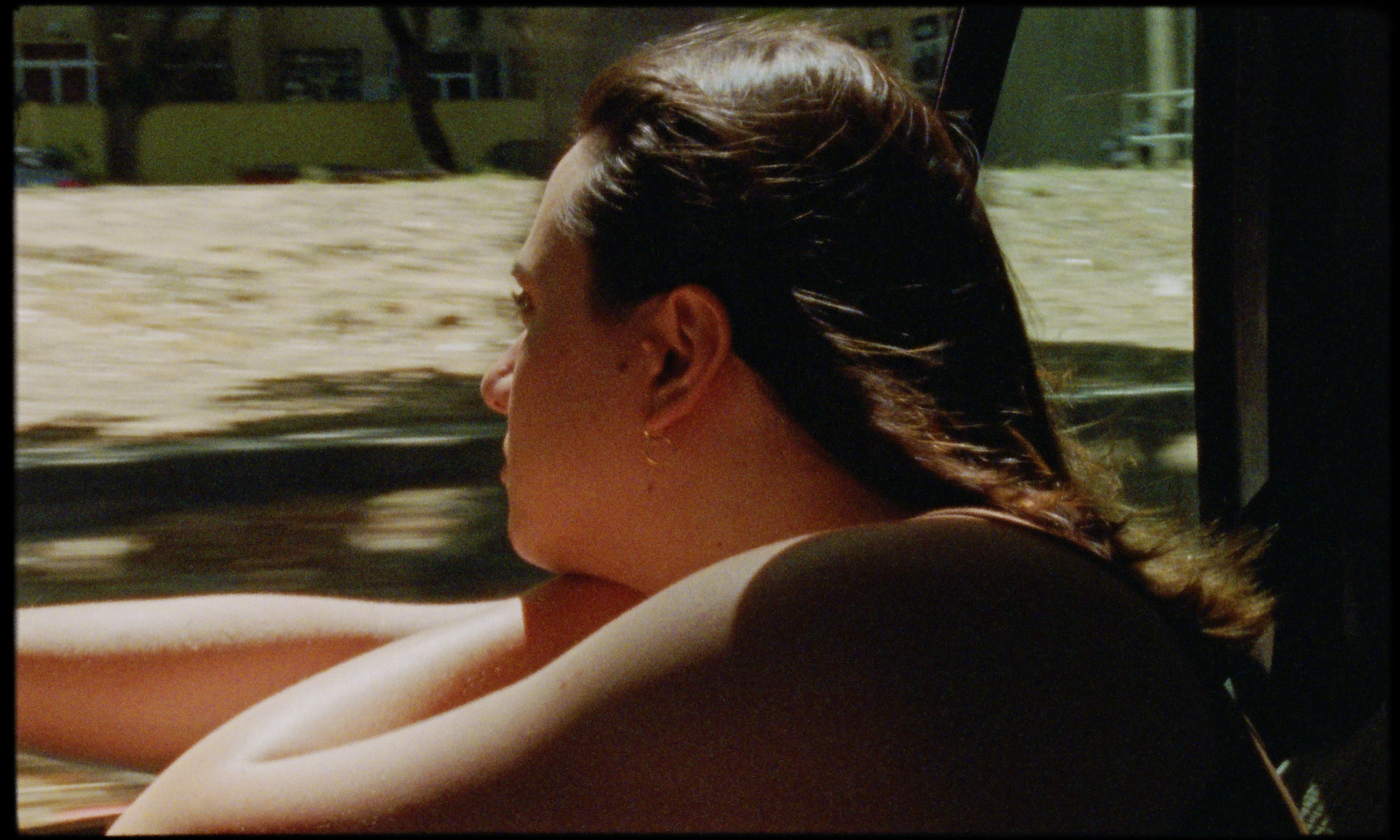
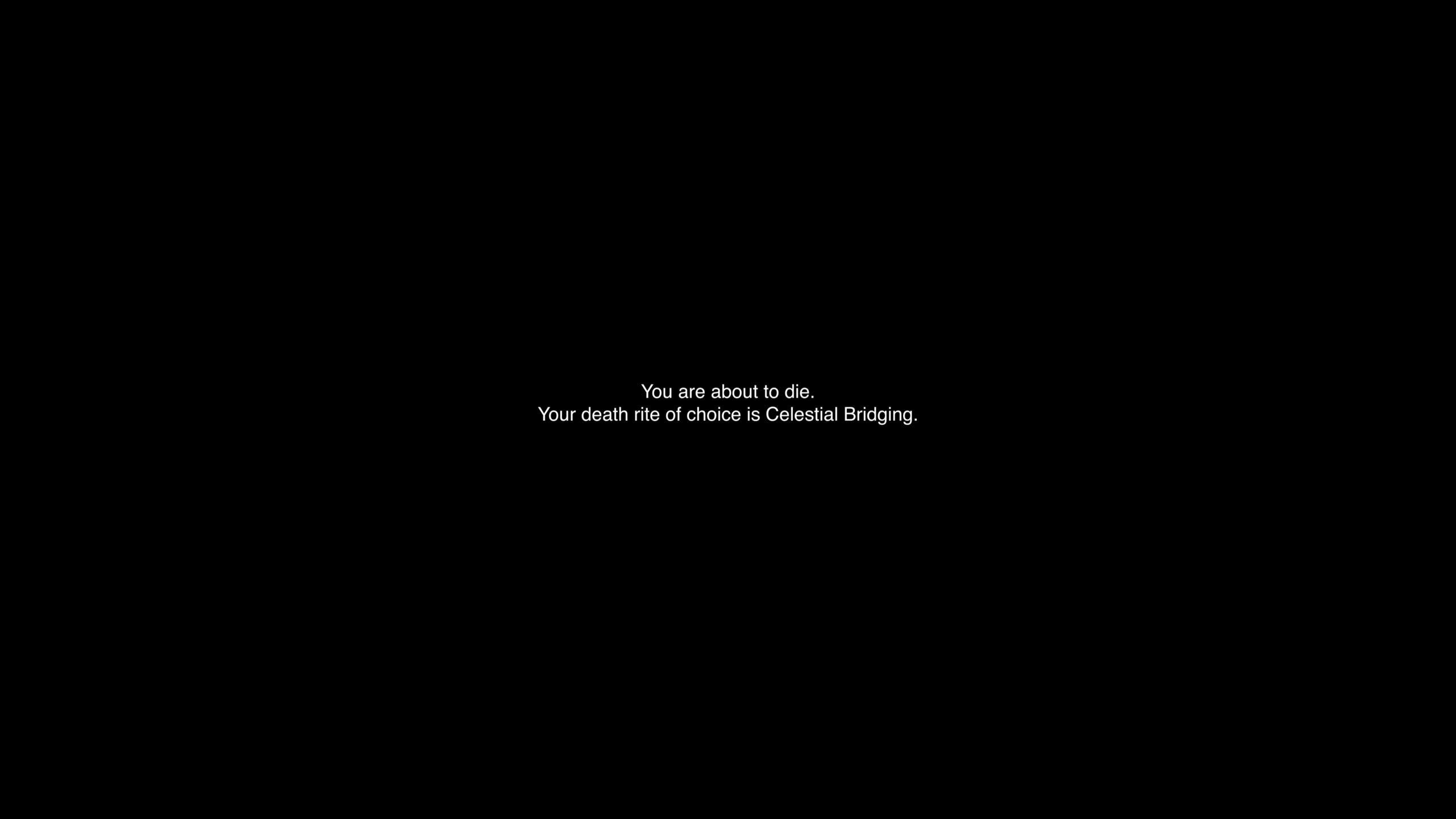
Ten feature films, in a mix between established filmmakers and consolidating voices. Four world premieres: As Flores, by Madalena Fragoso, a film that focuses on Praça das Flores, in Lisbon, shot from its kiosk; Santa Iria, by Luís Miguel Correia, a film-monument about the movement and daily life of Santa Iria de Azoia; Somos Dois Abismos, by Kapal Joshy, an Indian director living in Portugal who meets Carlos, a man who lives in isolation in the mountains; and A Vida Luminosa, João Rosas‘ first feature-length fiction film, which continues his geography of Lisbon and his confrontation with failed expectations: the disappointment that is, after all, the permanent reality. Still in competition, there are six feature films premiering in Portugal: Balane 3, a new film by Ico Costa returning to Inhambane; Duas Vezes João Liberada, by Paula Tomás Marques, where meta-language leads us to the shooting of a film about Liberada, a gender dissident nun persecuted by the Inquisition; Pai Nosso – Os Últimos Dias de Salazar, by José Filipe Costa, about the final chapters of the dictator and his important housekeeper (played by Catarina Avelar); First Person Plural, by Sandro Aguilar, takes us to a tourist resort where a couple (Albano Jerónimo and Isabel Abreu) celebrate their porcelain wedding; Gods of Stone, by Iván Castiñeiras Gallego, tells the story of Mariana, a child who attends one of the last rural schools between Galicia and Minho; and Hanami, a film by Denise Fernandes that won her the title of ‘best emerging filmmaker’ at Locarno, among other awards, takes us to the beauty of Fogo Island and the isolated life of a little girl.
As for the short films, the section shows sixteen films between comebacks and first appearances. Falcão Nhaga, winner of best short film in 2022 with Mistida, returns with Sabura: an immigrant couple who meet again in Lisbon. Sombras de Nós Próprios is the first film in seven years by Pedro Serrazina (Estória do Gato e da Lua, 1995) and is a poetic artistic gesture flooded with fears. Ágata de Pinho also returns to IndieLisboa, this time with Crua+Porosa, love and desire in an obsessive entropy. Stephanie Ricci‘s Quem Se Move is a portrait of a migrant Lisbon, a film about movement, physical and emotional, fuelled by encounters, connections and the fleeting feeling of belonging.
Silvestre
The Silvestre section continues to be interested in wild works, indomitable weeds that grow where you least expect them and that challenge the canons in the ecosystem. Films that propose the universe of the absurd, that dig into the depths and the past, and that put unusual scenarios on stage. As in the short film by Caroline Poggi and Jonathan Vinel, a French duo to whom IndieLisboa has dedicated an integral focus in the 2019 edition, in their film Comment ça va?, an animation in which a group of animals try to change the world. Or in Ariel, which marks the return of Lois Patiño, where an actress is faced with a strange circumstance: on that island in the Azores, everything is Shakespeare, the citizens are characters and their speeches are plays by the English playwright.
There are overtly political films, such as James Benning‘s little boy: scale models of various buildings are combined with music and political speeches. And there are other films that lay bare human intimacy, like the film by Jay Rosenblatt, the American who spent his life with a camera in his hand, and with Heartbeat, co-directed with his partner Stephanie Rapp, takes us back 25 years, through the saga of his attempt to get pregnant.


Rhizome
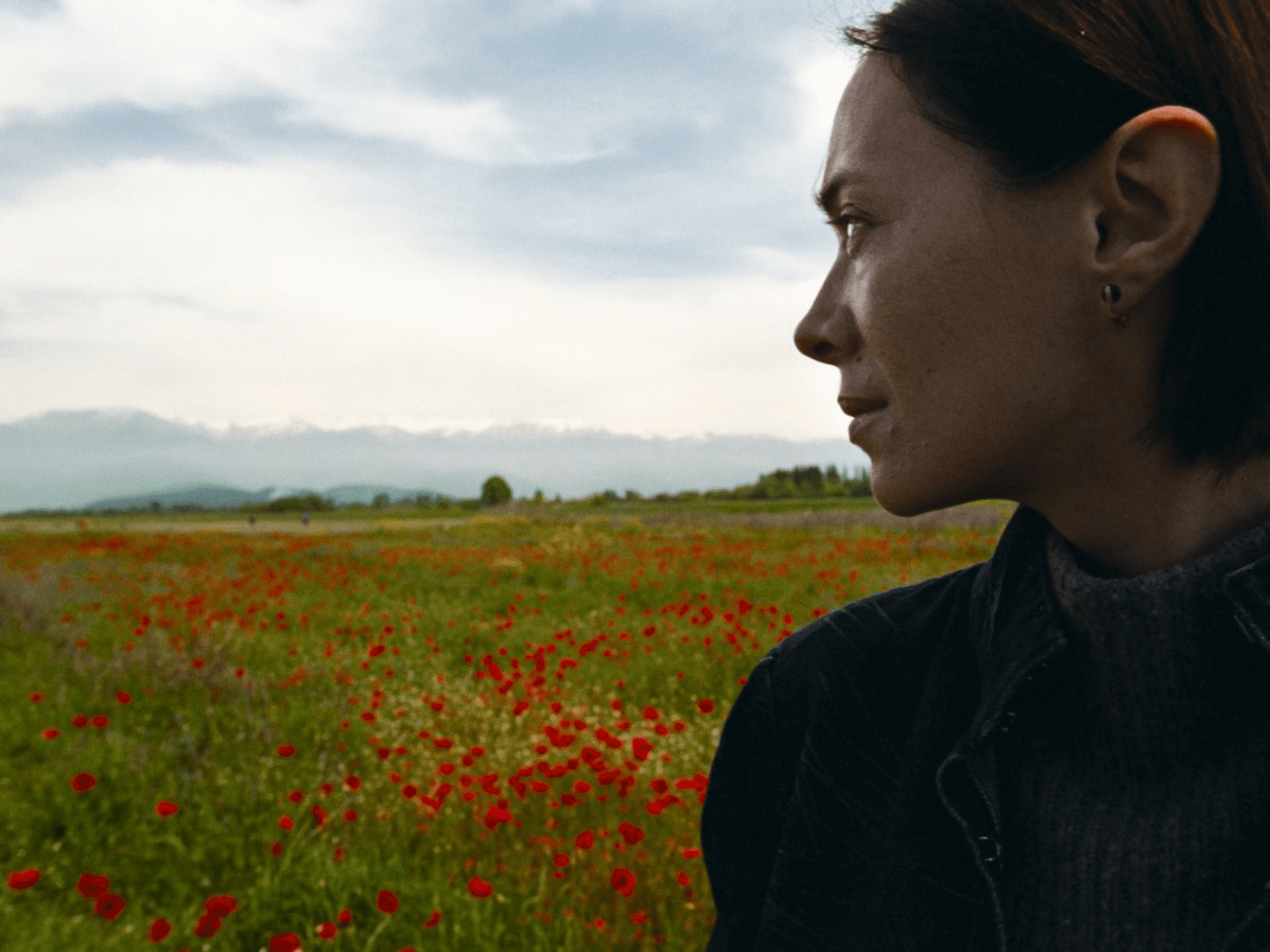
Rhizome stands out with 16 feature films, one short and two series in a non-competitive section. One of the series – The New Years – in preview on TVCine. This section focuses on major current themes and established filmmakers, such as Gabriel Mascaro‘s The Blue Trail, Silver Bear at the Berlinale, which takes us on a journey through the Amazon, a lifelong dream for 77-year-old Tereza (played by Denise Weinberg), because nothing is ever too late. By Dea Kulumbegashvili, April, Special Jury Prize in Venice, is a wound exposed without fear; Nina is an obstetrician who performs abortions in a Georgian community where the procedure is illegal – it is also illegal to show this film in Georgia (at IndieLisboa, it will be shown on Mother’s Day, 4 May). Armand, by Norwegian Halfdan Ullmann Tøndel, won the Caméra d’Or at the last Cannes Film Festival for his first feature film. The Last Showgirl isn’t just a Gia Coppola film, it’s an exciting return for Pamela Anderson, who here plays Shelley Gardner, a middle-aged showgirl with a perilous future. Khalil Joseph (responsible for the visual version of Beyoncé’s Lemonade album) makes his film debut in BLKNWS: Terms & Conditions, a collective exploration of the collective memory of the black diaspora with archive footage and a mix of Afro-futurist fiction. Rumours is a film by Evan Johnson, Galen Johnson and Guy Maddin, a kind of G7 summit with plenty of humour and horror and a cast that includes stars like Alicia Vikander and Cate Blanchett.
Brand New
As always, Brand New brings us first attempts, and first attempts are always refreshing. 12 short films by young university students who are making their way into cinema. Edgar Gomes Ferreira, son of Portuguese parents, born and raised in Liechtenstein, who attends a school in Zurich, directed Winners, where two friends sleep cuddled up after a football training session – and don’t seem to know how to deal with it. Quatro em Linha, by Clara Figueiredo, which is also on the IndieJunior programme, is a family tradition: every year four sisters stand on the same beach to be photographed by their father. The importance of transforming materials and preserving traditional trades (shoemakers, seamstresses, etc.) is the focus of In Repair, by Beatriz Oliveira. Between the Sea and the Island is a film by José Rodrigo Freitas that he calls ‘autobiographical archaeology’; the story of a fisherman father who sees his son off to study on the mainland and all the silences between the two.
Opening and Closing Screenings
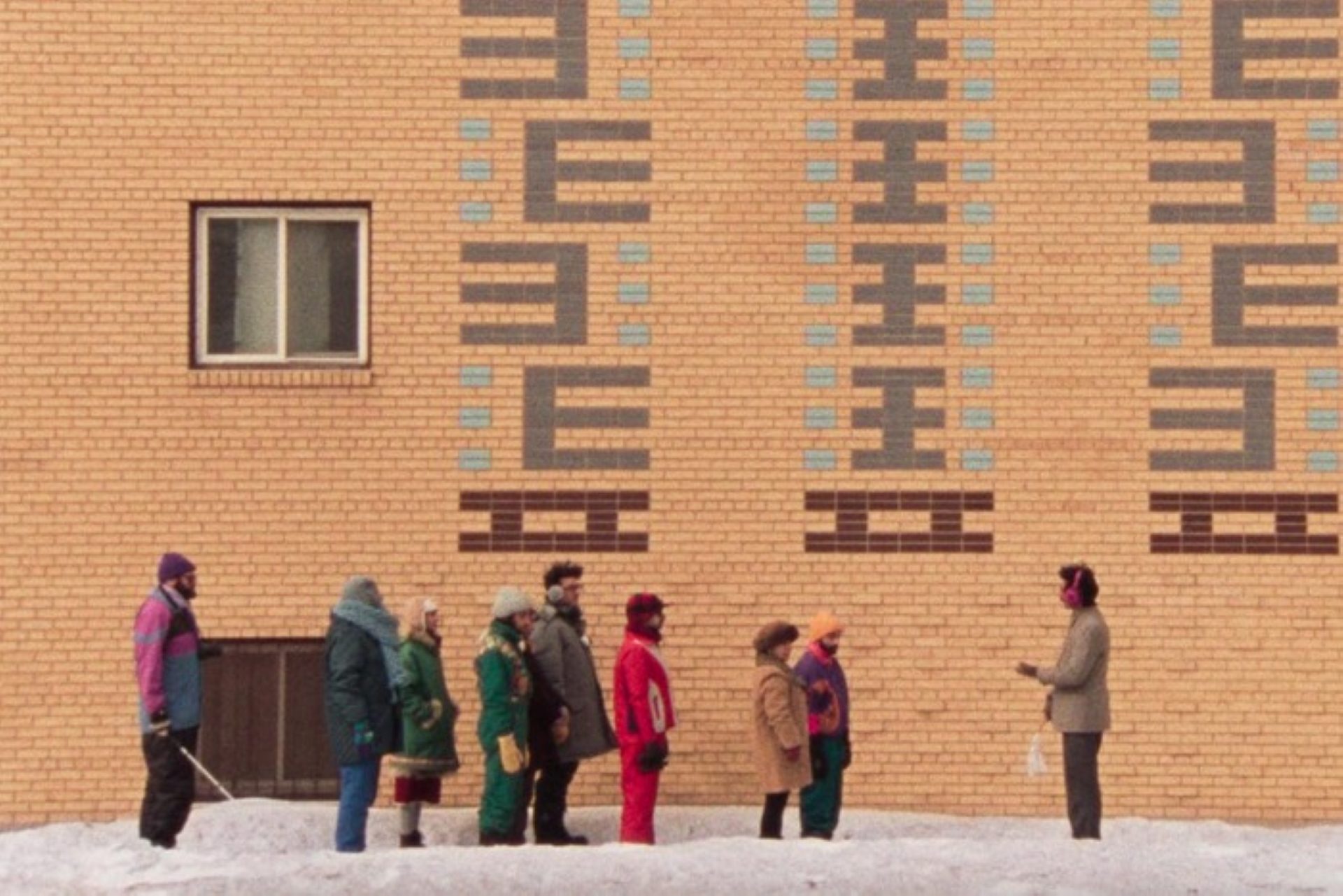
What if Iran were Canada? IndieLisboa will debut on May 1 at São Jorge Cinema with Une Langue Universelle, a film that absurdily binds together the canadian country of the director Matthew Rankin with the Persian Gulf nation. Three apparently disconnected stories in a comedy with traces of absurdity and appeals to the heart. For the Closing Session, Jia Zhang-Ke (Still Life, 2006, or A Touch of Sin, 2013) returns to the festival after a retrospective in 2005, bringing us a long failed novel: Caught by the Tides. Spanning 20 years, using archive footage from the director’s other films, (un)love is a tributary to the real river: a portrait of contemporary China and its waltz with time.