
First highlights of the 23nd edition of IndieLisboa 2026
In partnership with the Portuguese Film Archive, IndieLisboa presents this year’s “This Is Not a Documentary” Retrospective, dedicated to the mockumentary—a genre that blurs the lines between fiction and reality. In the Director’s Cut section, we revisit the past with a contemporary perspective through a selection of films in newly restored digital prints.
Mockumentary Retrospective – This Is Not a Documentary
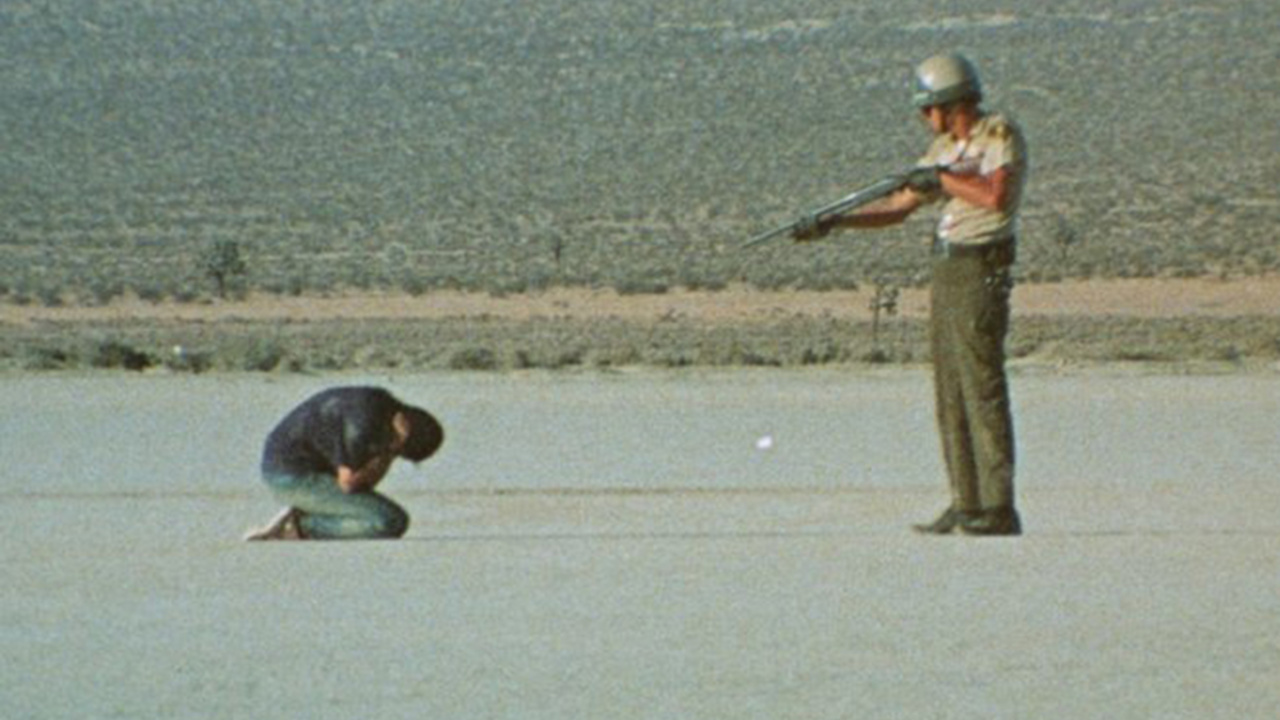
In this edition, the Retrospective is dedicated to a film genre. “This Is Not a Documentary” is the title of this section, which is entirely devoted to the mockumentary, a subgenre that constructs a fictional universe within the framework of documentary filmmaking.
The word “mock” can mean either to tease or to make fun of. It involves fiction appropriating the tools of the documentary—from cinéma vérité to news reports, interviews, narration, “making-of” segments, archival footage, or reality shows—to blur the unstable boundary between representation and reality.
The term “mockumentary” emerged in the 1960s and reached the height of its popularity in the 1980s. This retrospective program traces a chronological line from those early days to the present, highlighting the fluidity of the genre and its enduring contemporary relevance.
This retrospective will feature 14 feature films and 7 short films, including works by Rob Reiner, Christopher Guest, Peter Watkins, Ruben Östlund, Kirsten Johnson, and others.
Director’s Cut
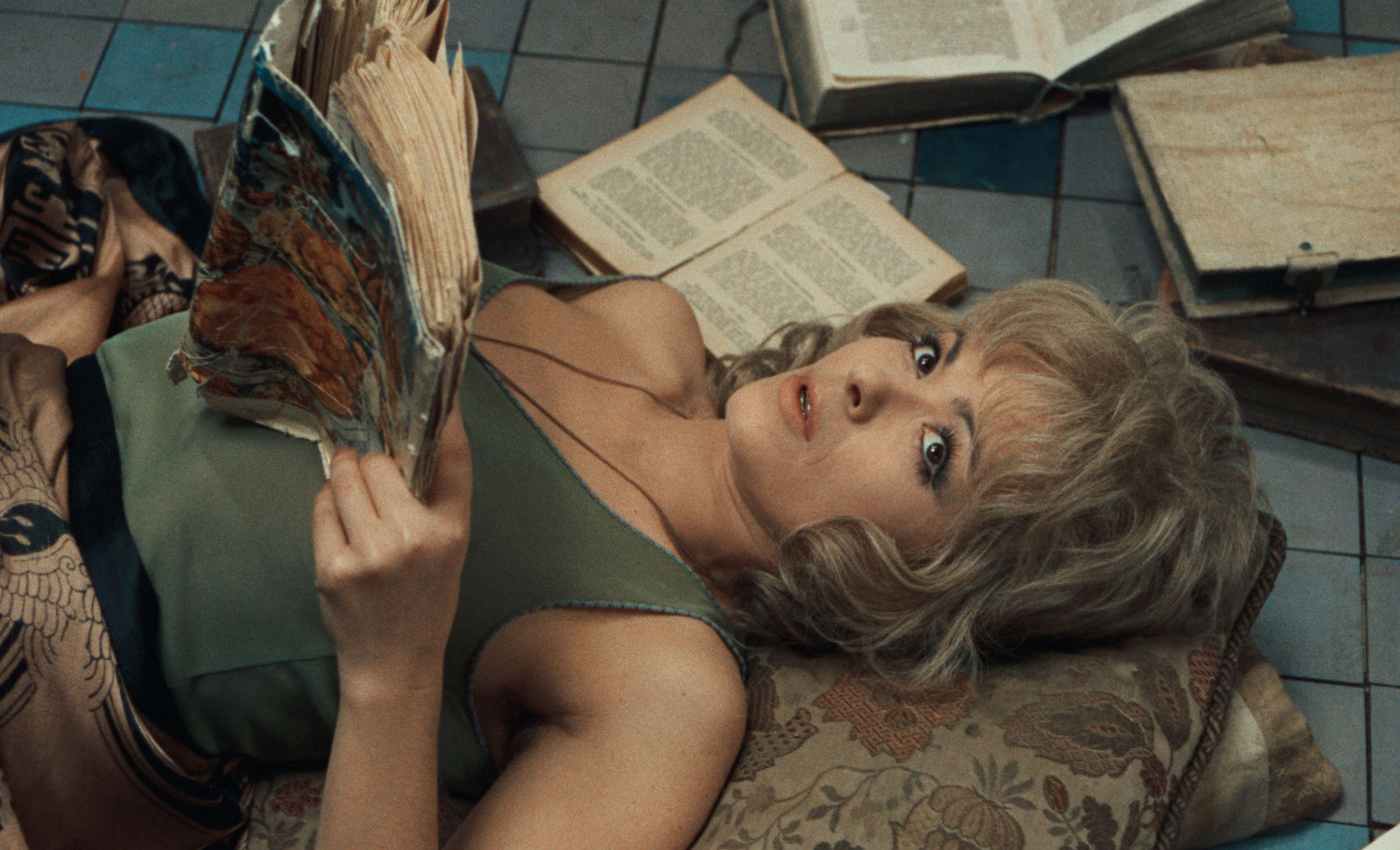
In the Director’s Cut, the formula remains the same: cinema from days gone by, viewed through the lens of the present.
This section began to focus exclusively on heritage cinema in 2025, presenting a selection of films in newly restored digital prints.
The aim here is to revisit the history of cinema, rediscovering forgotten films, highlighting obscure gems, and proposing new titles for the canon of “great cinema.”
This year, the five films present a highly eclectic lineup: ranging from curiosities to masterpieces, from political satire to erotic horror, from militant documentary to feminist biopic, and including Japanese film noir.
Regarde, elle a les yeux grands ouverts (1982, Yann Le Masson), The Red Spectacles (1987, Mamoru Oshii), and Espelho de Carne (1985, Antonio Carlos da Fontoura) are the featured films.